FOR WOMEN AFTER 45
Nutrition for the body that quietly changed.
Swiss-trained nutritionist working with women through perimenopause, menopause
and the decades that follow. Practical, evidence-based, unhurried.

Through perimenopause & menopause
Practical nutrition for the symptoms that come with this transition — hot flushes, sleep, mood, energy, the brain-fog that catches you mid-sentence.
The quiet shortfalls after 45
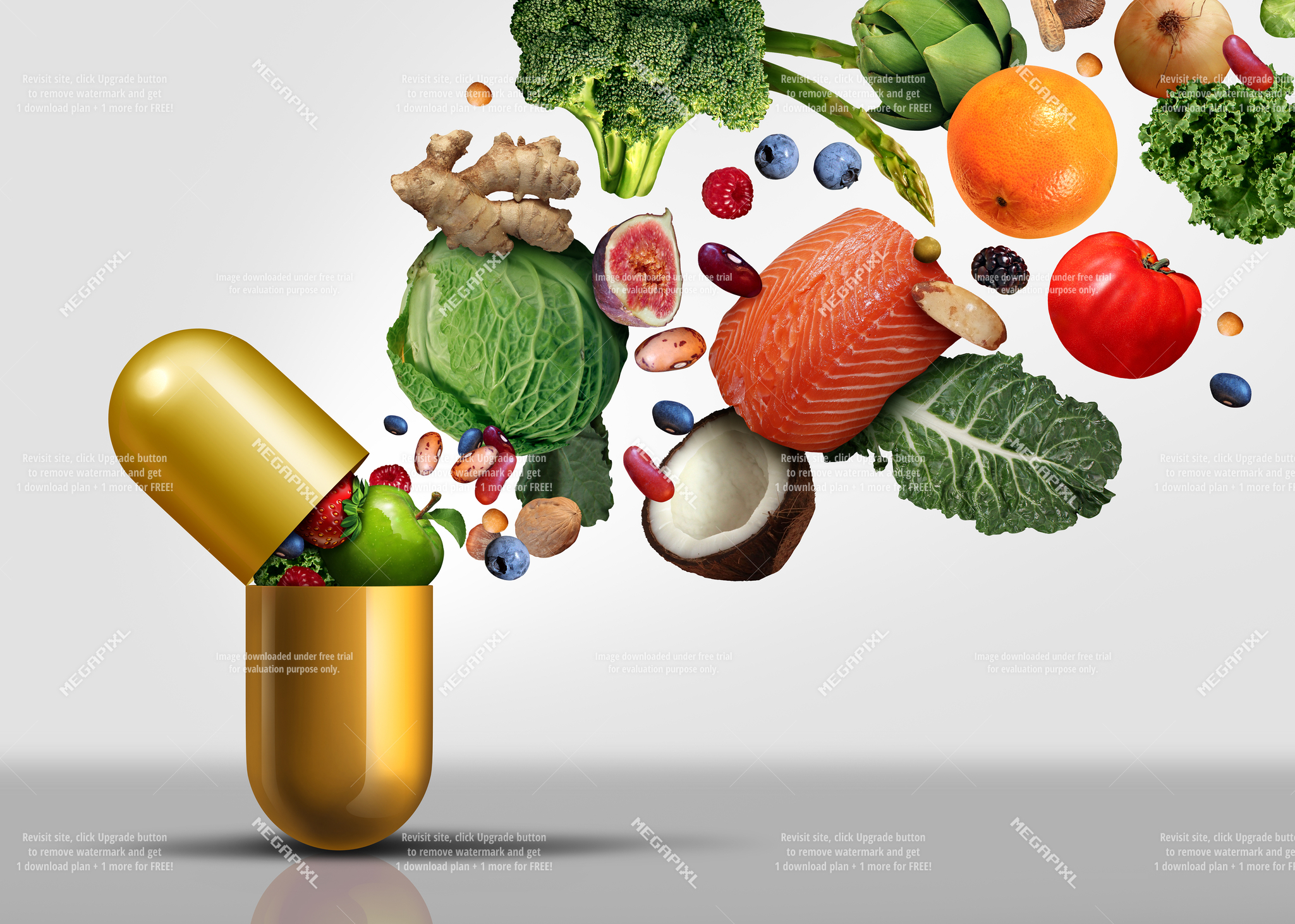
Vitamin D, omega-3, magnesium, iron, B12 — the everyday nutrients that quietly fall short in midlife and shape far more than we give them credit for.

Weight & body composition
Why the shape that worked for years suddenly doesn’t, and what actually helps when the old rules stop applying.
Eating well in midlife doesn’t have to be complicated.
I work mostly with women in midlife and beyond — through perimenopause, menopause and the decades that follow. The work is practical and unhurried: a clear look at what’s on your plate now, an honest read of where the small shortfalls and imbalances sit, and a plan that fits the life you actually have. Not someone else’s idea of how a woman over 45 should eat.
THROUGH PERIMENOPAUSE & MENOPAUSE
This is where most of my work happens. Perimenopause rarely arrives with a label — it arrives as sleep that won’t settle, mood that dips for no reason, a thicker middle, a brain that loses a word mid-sentence. Nutrition won’t replace HRT if you need it, and it won’t make a hard stage disappear. But the right pieces in the right order — steady blood sugar, the fats that support mood and brain, the minerals that support sleep and muscle — quietly take the edge off. We work on the small things that compound.
THE QUIET SHORTFALLS AFTER 45
There are a handful of nutrients that drop in midlife without making a fuss — vitamin D, omega-3, magnesium, iron and B12 lead the list. They’re rarely dramatic; most are missed in a routine GP check. But each of them shapes things you do feel: bone density, joints, mood, sleep, brain, skin, heart. A few targeted blood tests at the right time, read properly, give you a much clearer picture than guessing. We work out together what’s worth checking and what to do with the result.
WEIGHT & BODY COMPOSITION
Weight after 45 is not a willpower problem. Estrogen falls, muscle mass quietly drops, sleep changes, stress sits differently — and the body composition rules you grew up with stop applying. I don’t do crash plans or strict diets; they rarely last and they’re unkind to a woman already working hard. Instead we look at what your real week looks like, where the small swaps live, and how to keep the muscle and steady energy that protect you for the next thirty years.
Feels like the rules quietly changed on you?
You’re Not Alone – and the answer is rarely as complicated as it looks.
This is what I do every week. We start with one honest conversation — what your week actually looks like, what’s changed, what you’ve already tried. From there we build a plan that fits your real life, and we meet as often as you need. The goal isn’t a strict diet or a quick fix. It’s a way of eating that quietly serves you for the long stretch ahead.
About Astrid
Swiss-trained nutritionist
I’m a Swiss-trained nutritionist working with women in midlife and beyond — from the first quiet shifts of perimenopause through the decades that follow. My approach is practical, evidence-first, and warm. We start with what’s actually on your plate, look honestly at where the small shortfalls sit, and build a plan that fits the life you have.
My route into nutrition came partly from my own — years of digestive issues, allergies and inflammation that taught me how much the right food at the right stage of life can change. It also taught me how often generic advice misses women in this stage entirely. That’s the work I’ve built my practice around.

My Approach
Food first, always. Most of what makes a difference at this stage of life is already on the supermarket shelf — it’s the small, regular choices that change how you feel over months and years. When a supplement genuinely earns its place (and sometimes one does), we bring it in deliberately and at the right dose. None of this replaces medical care, and it works best alongside the doctor, gynaecologist or endocrinologist already supporting you.
My Process
- First consultation (1 hour). A proper look at what your week actually looks like, what your body has been doing, what’s changed, what you’ve already tried. No assumptions, no rushed forms.
- Second consultation (45–60 minutes). Together we shape a plan that fits the life you have, not the one a textbook imagines for you.
- Follow-up sessions (30 minutes each). As often as you need them. Steady, not heroic.
Unique Framework
This is nutrition built around the woman, not the diet. Your stage of life, your medical history, your kitchen, your culture, your job, your sleep — they all sit in the room. We focus on the small things that compound: the quiet shortfalls that creep in after 45, the rhythms that protect sleep and energy, the swaps that genuinely fit a busy life. The aim isn’t a quick fix. It’s a plate that quietly serves you for the next thirty years.
First time here?
The free menopause guide is a twenty-minute starter for women 45+. A good place to see how I think before booking anything.
How I can Help?
Four ways I most often work with women — though every plan is shaped around the person in front of me.
Through perimenopause & menopause
Practical nutrition for the symptoms of this transition — sleep, mood, brain fog, hot flushes, energy, the everyday tiredness that doesn’t quite have a name.

Alongside medical treatment
Nutritional support that works with your doctor’s plan — for HRT, thyroid issues, autoimmune conditions, or whatever else your medical team is already navigating with you.
The quiet shortfalls after 45
Vitamin D, omega-3, magnesium, iron, B12 — the everyday nutrients that drop in midlife and shape bones, heart, mood, joints and sleep. Worth knowing where you stand.
Weight & body composition
For weight changes that arrived without you changing — and for the body composition work that protects you for the next thirty years. Strength, steady energy, no crash plans.

A weekly read for the women I write for.
Every Friday, a short and honest piece on the small shifts that quietly matter after 45.

Eating well after 45 doesn’t have to be complicated.
It just has to be honest.
We find the few changes that genuinely fit your life — and let those do the work.
Beyond BMI — a clearer picture of what’s actually going on
BMI is a blunt tool, and it gets bluntest exactly when it matters most — when body composition has shifted with age. A woman of 55 with strong muscle reads the same on a BMI chart as a woman of the same height with very little muscle, and her health picture is wildly different. So we look at what actually tells us something: where weight is sitting, how the waistline is changing, what strength looks like, what the labs say. A clearer picture, less noise.
“I had the pleasure of working with Astrid as my nutritionist, and I can’t recommend her highly enough. She is incredibly knowledgeable, professional, and truly cares about her clients’ well-being. Astrid took the time to understand my unique needs and developed a personalized plan that was both practical and effective. Her guidance not only helped me reach my health goals, but also taught me how to maintain them in the long term. If you’re looking for a compassionate and skilled nutritionist who will support you every step of the way, Astrid is the one to trust!”
Après avoir manqué cruellement de motivation, afin de commencer un régime équilibré, je me suis rapprochée d Astrid.Avec ce partenariat de qualité, une vraie approche globale, la motivation s’est faite .Celle-ci vous fait un bilan très personnalisé souple, absolument pas draconien.
Les résultats se font , semaine après semaine sans frustration.Une jolie parenthèse ensoleillée, avec une écoute de la bienveillance, Astrid, vous donne toute son énergie et son savoir !
Allez y
Frequently Asked Questions
Questions women bring me, week in and week out.
Why does nutrition matter more after 45?
Because your body genuinely starts working differently. Estrogen falls, metabolism shifts, certain nutrients stop being absorbed and made as easily — and the symptoms women in this stage describe (achy joints, dry eyes, brain fog, sleep that won’t settle) often have a quiet nutritional thread running through them. The food that worked at thirty isn’t always what your body is asking for at fifty. The small shifts done well genuinely add up.
I’m in perimenopause and my energy, sleep or digestion has shifted. Can nutrition really help?
Often more than people expect. Nutrition won’t replace HRT if you need it, and it won’t make a hard stage disappear. But the right pieces in the right order can take the edge off — steadier blood sugar through the day, the right fats for mood and brain, the magnesium and protein that support sleep and muscle. It’s quiet work, not dramatic, but the cumulative effect is real.
I’m dealing with achy joints, brain fog or dry eyes. Is nutrition really part of the answer?
Often part of it, yes. None of these are simple “deficiency” problems — they’re complicated, with several contributing factors. But omega-3, vitamin D, magnesium and a few others all show up in the literature for joints, mood, brain, eyes and skin. We won’t pretend a supplement is a cure. We will look honestly at where you actually stand and what’s worth doing about it.
I’ve heard about “silent deficiencies” after midlife. What should women over 45 actually be checking?
The small ones that quietly fall short — vitamin D, omega-3, magnesium, iron and B12 lead the list. None of them are dramatic; most are missed in a routine GP check. A few targeted blood tests, asked for at the right time and read properly, give you a far clearer picture than guessing. We work out together what’s worth testing and what to do with the result.
I’m on HRT. Does what I eat still matter as much?
Yes — and often the two work better together than either does alone. HRT replaces hormones; nutrition supports the body that’s now living in a new hormonal landscape. Bone density, heart health, weight, mood and sleep all benefit from what you eat, with or without HRT. They don’t compete; they complement.
Do I have to overhaul my whole diet, or do small shifts actually make a difference?
Small shifts, done steadily. I’m not a fan of overhauls — they rarely last, and they’re usually unkind to the woman attempting them. What works is one or two small, real changes a week that quietly accumulate. After a few months you look back and you’ve moved further than any crash plan would have taken you.
When you’re ready, I’d love to hear from you.
If anything you’ve read here feels like it’s speaking your language, I’d love to hear from you. The first conversation is a proper one — not a sales call — and it’s where we figure out together whether this is the right kind of help for you, at this stage of your life.